Transform Your Space with Stunning Interior Design Concepts
Creating a beautiful and functional living space is more than just a trend; it’s a way to enhance your quality of life. Interior design is an art that combines aesthetics and functionality, allowing you to express your personality while making your home comfortable and inviting. Whether you’re looking to refresh a single room or undertake a complete renovation, understanding key design concepts can transform your space into a stunning reflection of your style.
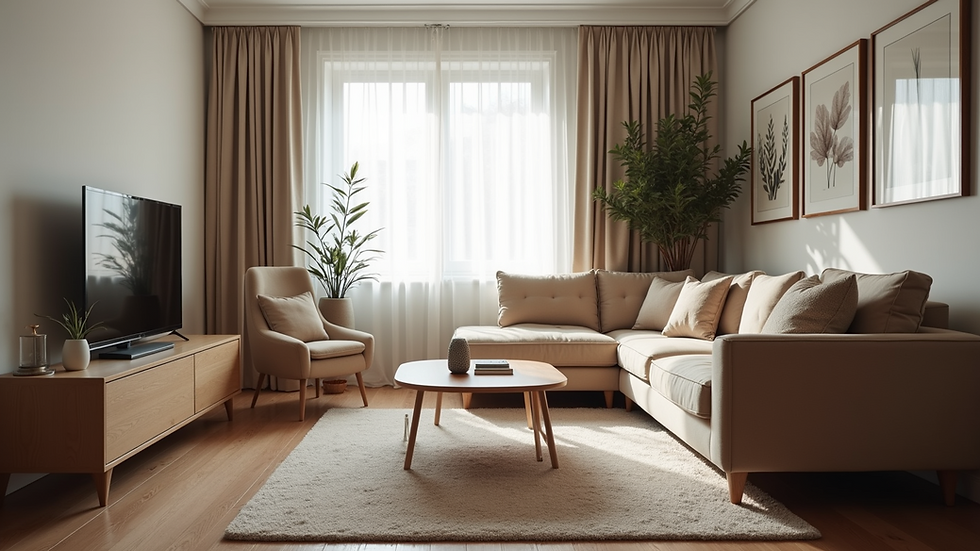
Understanding the Basics of Interior Design
Before diving into specific design concepts, it’s essential to grasp the foundational elements of interior design. These elements include:
Space: The area you have to work with, including both the physical dimensions and how you use it.
Line: The visual path that guides the eye through a room, created by furniture, walls, and architectural features.
Forms: The shapes of objects in your space, which can be geometric or organic.
Light: Natural and artificial light sources that affect the mood and functionality of a room.
Color: The hues that create a specific atmosphere and evoke emotions.
Texture: The surface quality of materials, which adds depth and interest.
Understanding these elements will help you make informed decisions as you design your space.
Choosing a Design Style
Your design style is a reflection of your personality and preferences. Here are some popular interior design styles to consider:
Modern
Characterized by clean lines, minimalism, and a neutral color palette, modern design focuses on functionality. Furniture is often low-profile, and decor is kept to a minimum. This style is perfect for those who appreciate simplicity and elegance.
Traditional
Traditional design draws inspiration from classic European decor. It features rich colors, ornate details, and a mix of patterns. Furniture is often made from dark woods, and textiles include luxurious fabrics like silk and velvet.
Industrial
Inspired by warehouses and factories, industrial design incorporates raw materials like exposed brick, metal, and wood. This style often features open spaces and a neutral color palette, making it ideal for urban dwellers.
Bohemian
Bohemian design is all about personal expression. It combines various colors, patterns, and textures to create a relaxed and eclectic atmosphere. This style often includes vintage furniture, handmade items, and global influences.
Scandinavian
Scandinavian design emphasizes simplicity, functionality, and minimalism. It features light colors, natural materials, and a focus on creating a cozy atmosphere. This style is perfect for those who appreciate a clean and uncluttered look.
Color Theory in Interior Design
Color plays a crucial role in interior design, influencing mood and perception. Here are some tips for using color effectively:
Choose a Color Palette: Select a cohesive color scheme that reflects your style. Consider using a mix of complementary and contrasting colors to create visual interest.
Use Color to Define Spaces: In open-concept homes, use color to delineate different areas. For example, a bold accent wall can create a focal point in a living room.
Consider Lighting: Colors can appear differently under various lighting conditions. Test paint samples in different light before making a final decision.
Furniture Selection and Arrangement
Choosing the right furniture is essential for both aesthetics and functionality. Here are some tips for selecting and arranging furniture:
Scale and Proportion: Ensure your furniture fits the scale of the room. Oversized furniture can overwhelm a small space, while tiny pieces can get lost in a large room.
Functionality: Consider how you will use the space. Choose furniture that meets your needs, whether it’s a comfortable sofa for lounging or a sturdy dining table for family meals.
Arrangement: Arrange furniture to promote conversation and flow. Avoid blocking pathways and create cozy seating areas.
Incorporating Textures and Patterns
Adding texture and patterns can elevate your interior design. Here’s how to do it effectively:
Layer Textures: Combine different materials, such as wood, metal, and fabric, to create depth. A plush rug can soften a hard floor, while throw pillows can add comfort to a sofa.
Mix Patterns: Don’t be afraid to mix patterns, but do so thoughtfully. Use a common color scheme to tie different patterns together and maintain visual harmony.
Lighting Design
Lighting is a critical aspect of interior design that can dramatically change the ambiance of a space. Here are some key considerations:
Layered Lighting: Use a combination of ambient, task, and accent lighting to create a well-lit environment. Ambient lighting provides overall illumination, task lighting focuses on specific areas, and accent lighting highlights architectural features or artwork.
Natural Light: Maximize natural light by using sheer curtains or strategically placing mirrors to reflect light. This can make a space feel larger and more inviting.
Personalizing Your Space
Your home should reflect your personality and interests. Here are some ways to personalize your space:
Artwork and Decor: Incorporate artwork, photographs, and decor items that resonate with you. These personal touches can make a house feel like a home.
Plants: Adding greenery can breathe life into your space. Choose low-maintenance plants if you’re not a seasoned gardener.
Sentimental Items: Display items that hold special meaning, such as heirlooms or travel souvenirs, to create a unique and personal atmosphere.
Sustainable Interior Design
As awareness of environmental issues grows, many homeowners are looking for sustainable design options. Here are some ways to create an eco-friendly space:
Use Sustainable Materials: Opt for furniture and decor made from recycled or sustainably sourced materials. Bamboo, reclaimed wood, and organic fabrics are excellent choices.
Energy-Efficient Lighting: Replace traditional bulbs with energy-efficient LED lights to reduce energy consumption and lower your utility bills.
Incorporate Natural Elements: Use natural materials and colors to create a calming environment. Stone, wood, and earth tones can enhance the connection to nature.
Conclusion
Transforming your space with stunning interior design concepts is an exciting journey that allows you to express your individuality while creating a functional and beautiful environment. By understanding the basics of design, choosing a style that resonates with you, and incorporating personal touches, you can create a home that reflects your personality and enhances your quality of life.
Start small by refreshing a single room or making minor adjustments, and gradually work towards a complete transformation. Remember, the key to successful interior design is to enjoy the process and make choices that feel right for you. Embrace your creativity, and let your space tell your story.


Comments